

Table of contents
If you or a loved one has been diagnosed with mesothelioma, your immediate focus should be securing specialized medical care and organizing legal documents. Because mesothelioma is an aggressive cancer caused by corporate asbestos exposure, families are often entitled to significant financial compensation to cover medical bills and secure their future.
Have You or a Loved One Been Diagnosed With Mesothelioma?
The phrase “If you or a loved one has been diagnosed with mesothelioma” is instantly recognizable to most Americans. For decades, it has echoed across daytime television commercials, becoming a well-known cultural catchphrase. However, the reality behind this famous legal disclaimer is anything but a meme. It represents one of the most devastating medical diagnoses a family can face.
Transitioning from hearing a familiar TV phrase to actually navigating a serious medical and legal crisis is overwhelming. Mesothelioma is a rare, aggressive cancer caused almost exclusively by asbestos exposure. When a family member receives this diagnosis, the immediate focus must shift from shock to action. Securing specialized medical care, protecting your family’s financial future, and understanding your legal rights become your top priorities.
Have you or someone you know been diagnosed with mesothelioma?
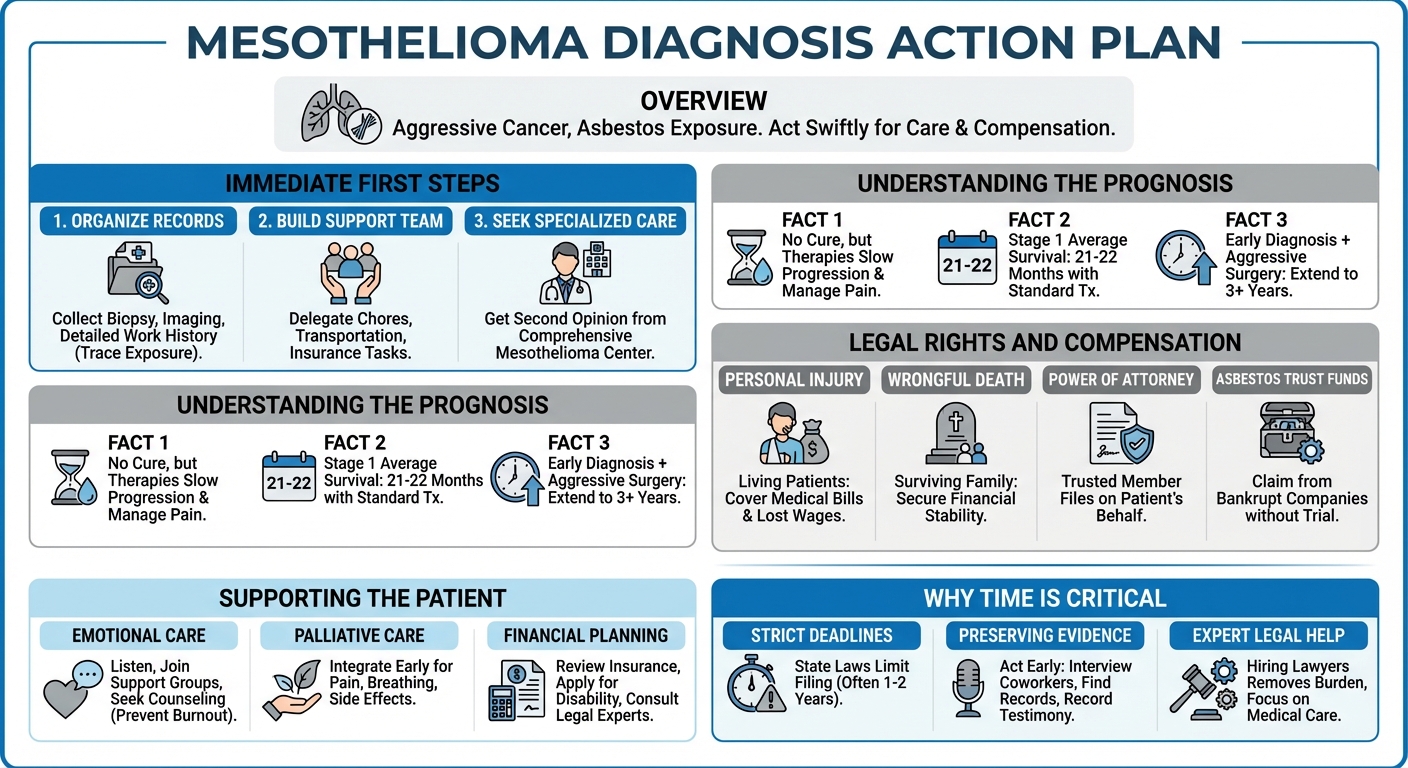
If you or someone you know has been diagnosed with mesothelioma, the immediate next steps are crucial. You should quickly organize the patient’s medical and work history records, build a strong family support system, and seek a second opinion from a dedicated mesothelioma cancer treatment center.
Taking swift action can significantly impact both treatment options and legal outcomes. Here is how families should prioritize their next steps:
- Organize Medical and Employment Records: Gather biopsy results, imaging scans, and a detailed list of the patient’s past employers. This work history is vital for identifying where the asbestos exposure occurred.
- Build a Support System: Mesothelioma treatment is physically and emotionally taxing. Delegate tasks among family members, such as managing insurance claims, driving to appointments, and handling daily household chores.
- Find a Specialized Treatment Center: Because mesothelioma is rare, standard oncologists may not have the necessary expertise. Seek out comprehensive cancer centers that feature dedicated mesothelioma specialists.
Understanding the Prognosis: Answering Your Hardest Questions
A mesothelioma diagnosis brings a wave of frightening questions. Understanding the medical reality can help families make informed decisions about care and quality of life.
Is mesothelioma terminal cancer?
Yes, mesothelioma is classified as a terminal cancer because there is currently no known cure. However, being terminal does not mean treatment is futile. Advanced therapies and palliative care can significantly slow the progression of the disease, manage painful symptoms, and extend a patient’s overall survival time.
Is mesothelioma 100% fatal?
While mesothelioma currently has no definitive cure and is ultimately fatal for the vast majority of patients, it is not immediately a death sentence. With early diagnosis and aggressive multimodal treatments like surgery and chemotherapy, some patients achieve long-term remission and live for several years or even decades.
What is the life expectancy of a person with stage 1 mesothelioma?
The average life expectancy for a person diagnosed with stage 1 pleural mesothelioma is approximately 21 to 22 months when receiving standard treatments. However, because the cancer is localized in stage 1, patients who qualify for aggressive surgical tumor removal often survive for three years or significantly longer.
How to Support a Loved One During Mesothelioma Treatment
Caring for a family member with mesothelioma requires a balance of emotional support, practical caregiving, and financial management.
Emotional and Psychological Support
A cancer diagnosis takes a heavy psychological toll. Listen to your loved one’s fears without minimizing them. Consider connecting them with mesothelioma support groups where they can speak with others facing the same battle. Professional counseling for both the patient and the primary caregiver is highly recommended to prevent burnout and depression.
Navigating Caregiving and Palliative Care
As the disease progresses, caregiving responsibilities will increase. Work closely with the medical team to integrate palliative care early on. Unlike hospice, palliative care can be administered alongside curative treatments to help manage pain, breathing difficulties, and the side effects of chemotherapy.
Financial Planning and Managing Medical Bills
Cancer treatments are incredibly expensive. Families should immediately review their health insurance policies, apply for disability benefits if applicable, and consult a financial planner. Because mesothelioma is linked to corporate negligence regarding asbestos, legal compensation is often the most effective way to cover these mounting medical bills.
Legal Rights and Compensation for Family Members
When a loved one is diagnosed with an asbestos-related disease, the financial burden should not fall on the family. The companies that manufactured and distributed asbestos products knew the risks but hid them from workers.
- Personal Injury vs. Wrongful Death Claims: If the patient is living, they can file a personal injury lawsuit to recover damages for medical bills, lost wages, and pain and suffering. If the loved one has already passed away, surviving family members can file a wrongful death claim to secure financial stability.
- Filing on Behalf of an Ill Loved One: Mesothelioma patients are often too sick to handle legal proceedings. A trusted family member can be granted Power of Attorney to file a claim, sign documents, and make legal decisions on the patient’s behalf.
- Asbestos Trust Funds: Many asbestos companies filed for bankruptcy to avoid lawsuits. In response, courts forced them to create billions of dollars in asbestos trust funds. Families can file claims against these trusts to receive compensation without ever going to trial.
Why Time is Critical in Asbestos Cases
In the wake of a diagnosis, legal action might seem like a secondary concern, but waiting too long can permanently forfeit your family’s right to compensation.
Understanding Statutes of Limitations
Every state has strict deadlines, known as statutes of limitations, for filing asbestos claims. For personal injury cases, the clock typically starts on the date of diagnosis. For wrongful death cases, it begins on the date of the loved one’s passing. These windows can be as short as one to two years.
Preserving Crucial Evidence
Building a successful asbestos case requires tracing the exposure back to specific products and locations, often decades in the past. The sooner an investigation begins, the easier it is to interview former coworkers, locate employment records, and preserve the patient’s own testimony before their health declines.
Connecting With an Experienced Texas Mesothelioma Lawyer
Navigating the complexities of asbestos litigation requires specialized legal knowledge. By partnering with an experienced mesothelioma law firm, families can focus entirely on medical care and spending precious time together, while their legal team handles the burden of securing the compensation they deserve.