
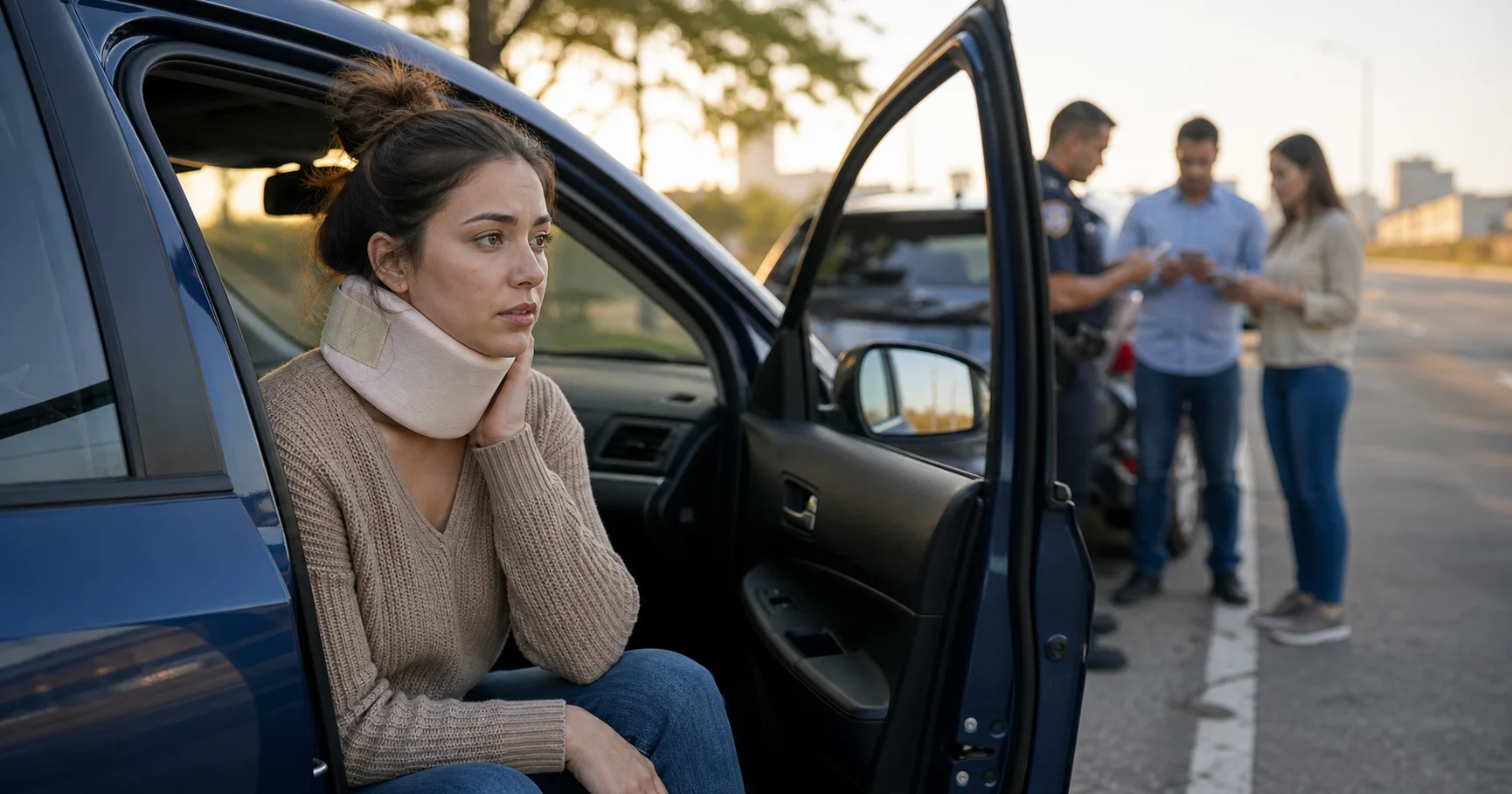
An injured passenger can often pursue a Texas car accident claim against one or more responsible drivers. The passenger usually did not cause the collision, but identifying every available policy still matters because fault may be divided between drivers and passenger-specific policy provisions can apply.
Family relationships, ride payment, vehicle ownership, and the passenger's residence can affect the analysis. Do not assume that filing a claim means personally attacking a friend or relative; liability insurance exists to address covered losses.
Passenger Claims at a Glance
- A passenger may have claims against either or both negligent drivers.
- The host vehicle's PIP or MedPay may provide early benefits.
- The passenger's own household policies may contain UM/UIM or PIP coverage.
- Texas rules involving certain family guests can require special analysis.
- Multiple injured people may compete for limited policy proceeds.
Which Driver Pays an Injured Passenger?
The driver who caused the crash is generally the starting point. In a two-vehicle collision, both drivers may share responsibility. A passenger can preserve claims against both while the evidence is investigated rather than guessing immediately.
| Source | When It May Apply |
|---|---|
| Other driver's liability | The other driver caused all or part of the collision |
| Host driver's liability | The driver carrying the passenger was negligent |
| PIP or MedPay | The vehicle or applicable household policy provides benefits |
| UM/UIM | The responsible driver lacks sufficient insurance |
| Commercial or rideshare policy | The trip involved paid transportation or business activity |
What If the Driver Is a Friend or Relative?
The claim usually seeks payment from insurance, not the driver's personal checking account. However, Texas has special statutory rules that can affect certain nonpaying passengers related to the owner or operator. The relationship and facts should be reviewed before a claim is accepted, denied, or released.
What Should a Passenger Do After the Crash?
- Seek medical care and describe every symptom.
- Obtain information for all drivers and vehicles.
- Photograph seating position, restraint use, damage, and the scene.
- Get the report number and witness contacts.
- Request policy information without giving speculative statements.
- Do not sign releases for one driver without understanding the effect on other claims.
What If Several Passengers Were Injured?
A liability policy may have both per-person and per-accident limits. When several people are hurt, the total limit may be insufficient. Early coordination, complete medical documentation, and investigation of additional policies become critical.
Frequently Asked Questions
Can a passenger be blamed for a crash?
Usually not for driving conduct, but unusual facts such as distracting or interfering with a driver can matter.
Can I use PIP as a passenger?
Often yes, depending on the vehicle and applicable policies. Request all policy documents.
What if the at-fault driver was uninsured?
UM/UIM coverage from the occupied vehicle or an applicable household policy may be available.
Should I accept separate offers from both insurers?
Not before understanding liability, total damages, policy limits, liens, and release language.
Preserve Every Policy That May Cover the Passenger
If you were hurt as a passenger in Houston, a Houston car accident lawyer can investigate all drivers and policies. Request a free consultation. This article provides general information and is not legal advice.
 Call (713) 747-7777